
Knowledge Library
Driver topics made easy to understand
Browse clear educational guides about software drivers and how printers, audio devices, graphics, USB, network, Bluetooth, chipset, storage and other hardware work with your computer.
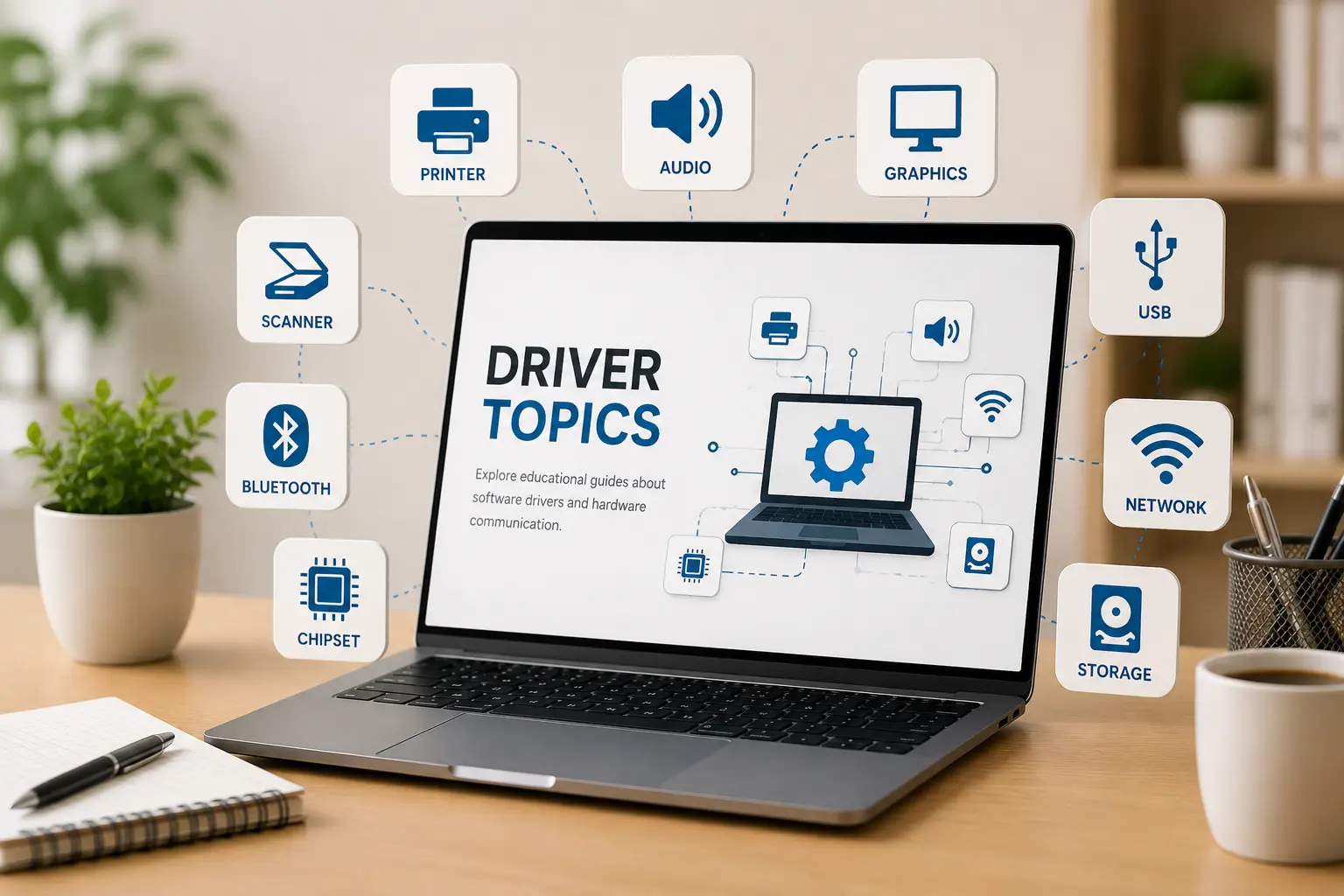
Driver topics
14+ Guides
14+
Driver categories explained in simple words.
Easy
Simple topic flow for beginner learning.
Clear
Understand hardware and operating system communication.
How printer driver setup works
Follow these simplified diagnostic steps to configure your local connections, inspect spooler settings, and resolve persistent printer offline status errors.

// Brand Support Setup Links
 01
01
Check Cables & Wi-Fi
PHYSICAL LINKInspect physical USB printer cables or verify network router SSID pairing logs to ensure connection signal lines are active.
 02
02
Clear Spooler Queue
REGISTRY RUNStop the Print Spooler service via services.msc, then delete temporary logs inside the PRINTERS cache directory.
 03
03
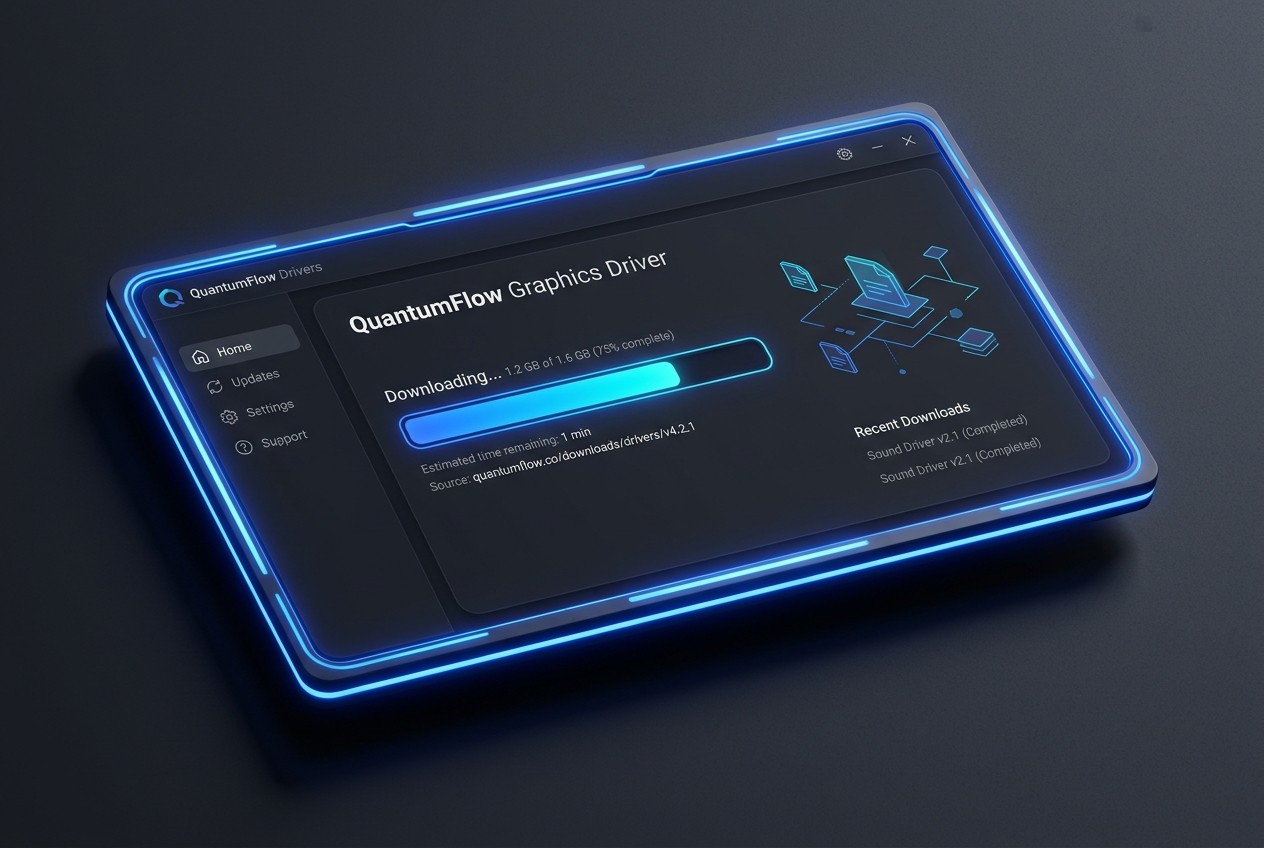
Download OEM Driver
INF MANUALSAccess matching printer model portals and retrieve the official manufacturer installation INF package configuration files.
 04
04
Reset Spooler & Print
net start spoolerRe-initialize the print spooler service via Command Prompt, connect hardware lines, and execute a document test page.
How router Wi-Fi setup works
Configure gateway IP settings, modify wireless SSID name profiles, and resolve network connection drops.
 01
01
Access Gateway IP
IP GATEWAYEnter your router's default address (such as 192.168.1.1) directly into browser search address bars.
02
Enter Credentials
ADMIN AUTHInput default admin login credentials matching details on your hardware device backing labels.
03
Configure SSID
WPA3 SECURECreate a new secure network profile name and set advanced WPA3 security passcode protocols.
04
Flush DNS Resolver
TERMINAL RUNExecute ipconfig/flushdns in system command tools to clear corrupt network gateway logs.
How PC performance works
Learn how device drivers, startup logs, and allocation tables impact system speed and performance settings.

// Quick System Setup Links
01
Device Manager
SYSTEM LISTPress Win+X, select Device Manager, and inspect active configurations for yellow hardware warning flags.
02
Update Chipset
OEM PACKAGESIdentify your system chipset hardware VID/PID labels, and install authorized setup INF driver updates.
03
Manage Startup
TASK ALLOCATIONOpen Task Manager, navigate to the Startup configuration panel, and disable resource-heavy programs.
04
Clear Temp Logs
CACHE PURGERemove temporary storage files and system caches from main system folders to free up disk storage.
How email sync & updates work
Configure secure IMAP/SMTP mail server configurations and clean stuck Windows update caches.

// Quick Sync Setup Links
01
Specify Server Ports
PORT ASSIGNSelect Incoming server type as IMAP (port 993) and Outgoing mail server as SMTP (port 465) in configurations.
02
Enable SSL/TLS
ENCRYPTIONEnable SSL/TLS security encryption flags in advanced mail client account properties to sync message directories.
03
App Passwords
MFA BYPASSCreate a unique 16-character passcode from mail host security settings if multi-factor verification is active.
04
Purge Update Cache
OS REPAIRHalt looping system update configurations, and delete downloaded update logs from System distribution paths.
Topic Preview
Explore common driver areas
Learn what different driver categories do and how they support computer hardware communication.
Device Output
Printer, audio, scanner, webcam, and display-related learning topics.
Connectivity
WiFi, Ethernet, Bluetooth, USB, and connected device communication basics.
System Hardware
Chipset, storage, BIOS, UEFI, and motherboard-level driver concepts.
Input Devices
Keyboard, touchpad, mouse input, gestures, and basic control behavior.
Learning Path
Understand drivers step by step
Choose Topic
Select a driver category such as printer, audio, USB, Bluetooth, chipset or storage.
Read Concepts
Learn the meaning, purpose, and role of that driver in simple language.
Understand Role
See how hardware devices and operating systems communicate through driver software.
Explore More
Move to related driver topics and build your understanding step by step.