Basic Router and Wi-Fi Connection Concepts
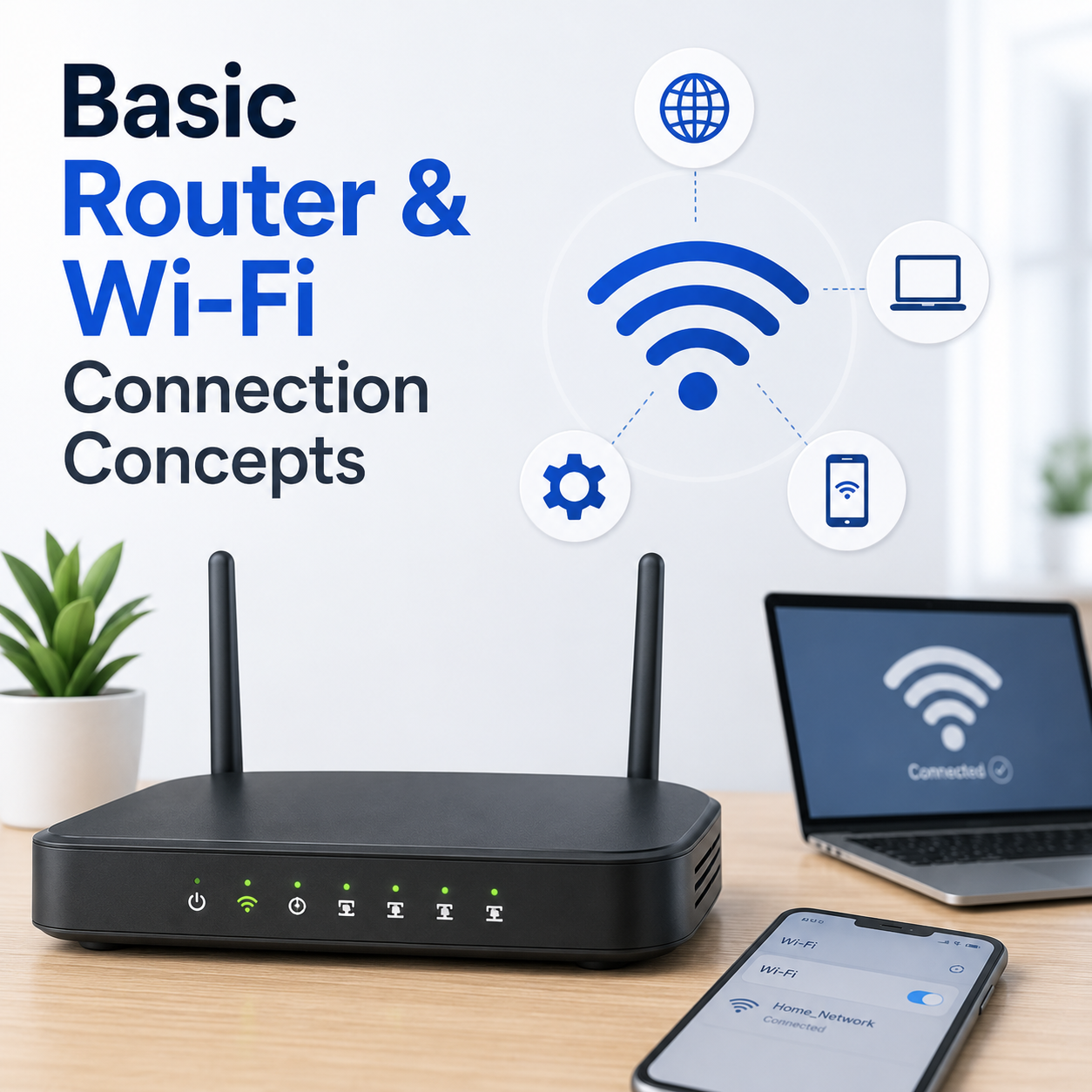
Understand network names, Wi-Fi signals, router lights, connection status, and common limited connectivity messages.
LappyToddler translates complex manufacturer documentation into clear, step-by-step reading guides. Here is how you can resolve device problems safely on your own.
All tutorials are immediately open. We never ask for your email, billing, phone number, or credentials.
Always verify driver files are downloaded directly from official manufacturer subdomains (like hp.com, canon.com).
Double-check that network cables, printer USB lines, and power plugs are securely connected beforehand.
Remove old or corrupted system software completely before running new hardware installer files.
Open Device Manager, Command Prompt, or PowerShell with admin permissions to apply setups.
Always reboot your system after running driver updates to refresh OS network and hardware caches.
Identify what hardware device or setup is causing the error. Match your physical device symptoms (like offline warnings or blinking LED lights) with our specific manual lists written specifically for network and hardware installation issues.
Access the step-by-step reading guide. All configurations are compiled directly from verified manufacturer support manuals. We never charge for tutorials or prompt you to install third-party utility applications.
Follow the manual setup checklist on your system. Use our clean system commands, configuration paths, and links to official manufacturer directories to restore your device to active working order.

Follow these simplified diagnostic steps to configure your local connections, inspect spooler settings, and resolve persistent printer offline status errors.
01
Inspect physical USB printer cables or verify network router SSID pairing logs to ensure connection signal lines are active.
02
Stop the Print Spooler service via services.msc, then delete temporary logs inside the PRINTERS cache directory.
03
Access matching printer model portals and retrieve the official manufacturer installation INF package configuration files.
04
Re-initialize the print spooler service via Command Prompt, connect hardware lines, and execute a document test page.
Configure gateway IP settings, modify wireless SSID name profiles, and resolve network connection drops.
01
Enter your router's default address (such as 192.168.1.1) directly into browser search address bars.
02
Input default admin login credentials matching details on your hardware device backing labels.
03
Create a new secure network profile name and set advanced WPA3 security passcode protocols.
04
Execute ipconfig/flushdns in system command tools to clear corrupt network gateway logs.
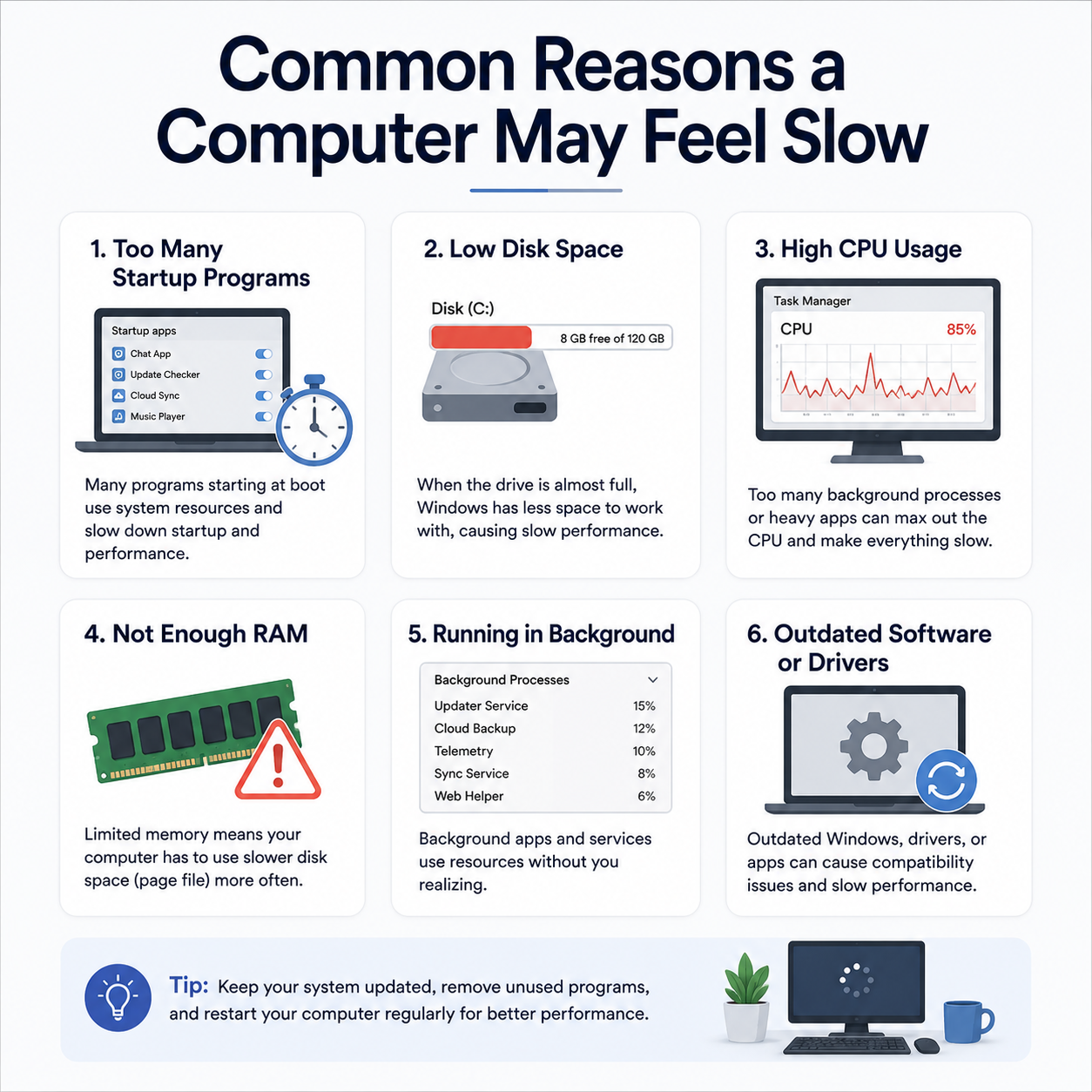
Learn how device drivers, startup logs, and allocation tables impact system speed and performance settings.
01
Press Win+X, select Device Manager, and inspect active configurations for yellow hardware warning flags.
02
Identify your system chipset hardware VID/PID labels, and install authorized setup INF driver updates.
03
Open Task Manager, navigate to the Startup configuration panel, and disable resource-heavy programs.
04
Remove temporary storage files and system caches from main system folders to free up disk storage.
Configure secure IMAP/SMTP mail server configurations and clean stuck Windows update caches.
01
Select Incoming server type as IMAP (port 993) and Outgoing mail server as SMTP (port 465) in configurations.
02
Enable SSL/TLS security encryption flags in advanced mail client account properties to sync message directories.
03
Create a unique 16-character passcode from mail host security settings if multi-factor verification is active.
04
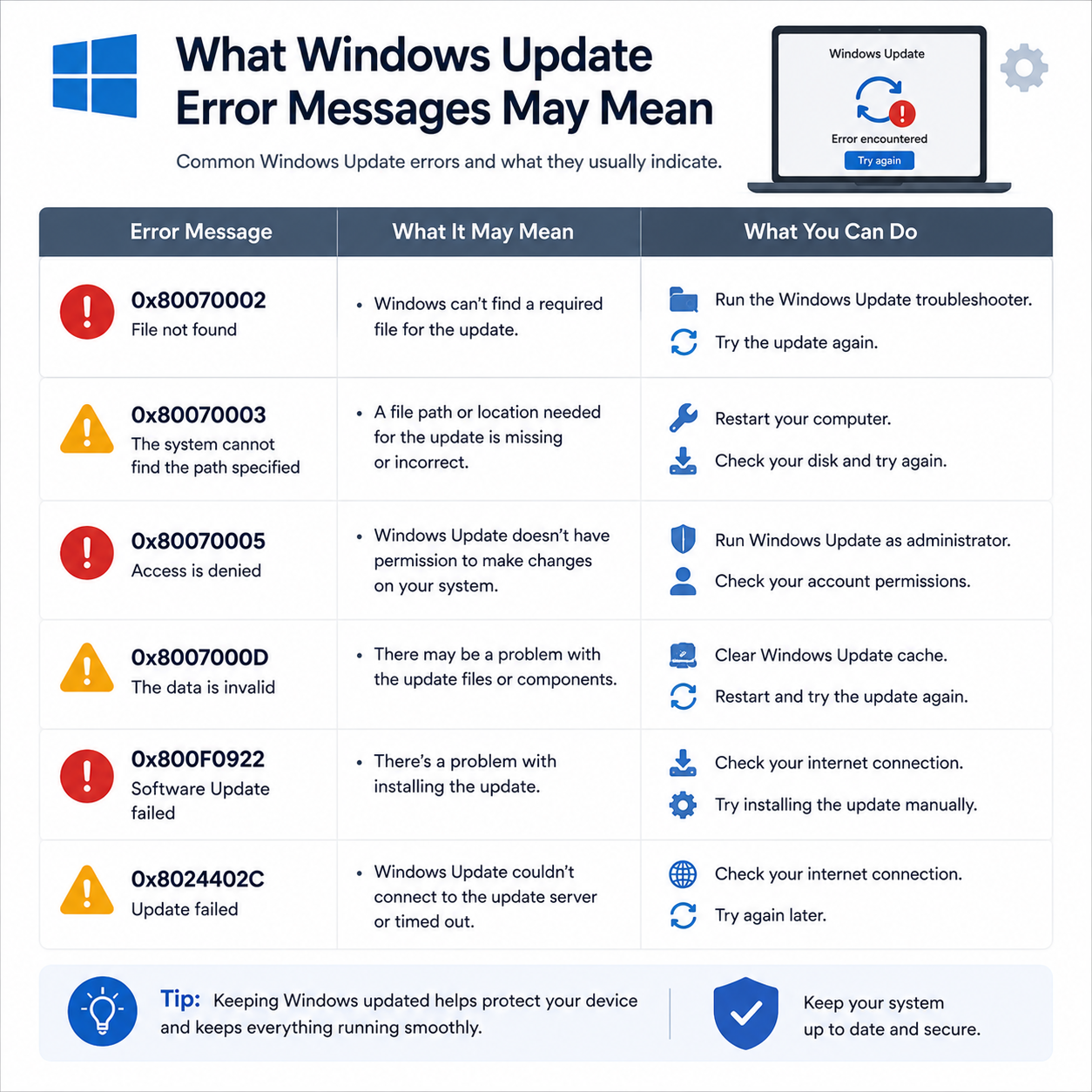
Halt looping system update configurations, and delete downloaded update logs from System distribution paths.
My Guiding Pilot shares easy reading guides about printers, routers, email sync, PC performance, and Windows updates. Every article is written for learning only, without technical pressure or support-style claims.
We explain what settings, alerts, and device messages usually mean in simple, everyday language.
Our content is created strictly as an educational reference, not as phone support or repair service.
We do not provide software files, remote access utilities, paid tool packages, or direct device repairs.
Our reference guides detail printer settings, local Wi-Fi router setup, email sync ports, PC optimization, and Windows Update diagnostics.
My Guiding Pilot is an independent learning blog and is not affiliated with, endorsed by, or representing any device manufacturers or official support services.
Select a query to view its verified educational breakdown and source literature diagnostics.
No. This website is an educational reference database. It shares runbooks and self-guided diagnostics only. We do not offer phone support, remote access connections, software downloads, or technician dispatching.
You can read beginner-friendly guides about printer basics, router and Wi-Fi concepts, email access configurations, PC speed optimization, and Windows updates.
Yes. Printer articles cover fundamental concepts such as default printer status offline, print job queues, network spoolers, and interface cabling.
Yes. Windows Update articles outline concepts like pending updates, installation loops, restart settings, and update registry configurations.
No. This website is for self-directed reading and educational awareness only. We do not provide software tools, paid troubleshooting services, or technician support.
Yes. Every guide is written in plain, jargon-free English and features structured checkmark bullet lists alongside verified OEM primary reference citations.
No. This website is an educational reference database. It shares runbooks and self-guided diagnostics only. We do not offer phone support, remote access connections, software downloads, or technician dispatching.
Explore educational articles about printers, Wi-Fi router setup, email sync ports, slow computers, and Windows update messages.
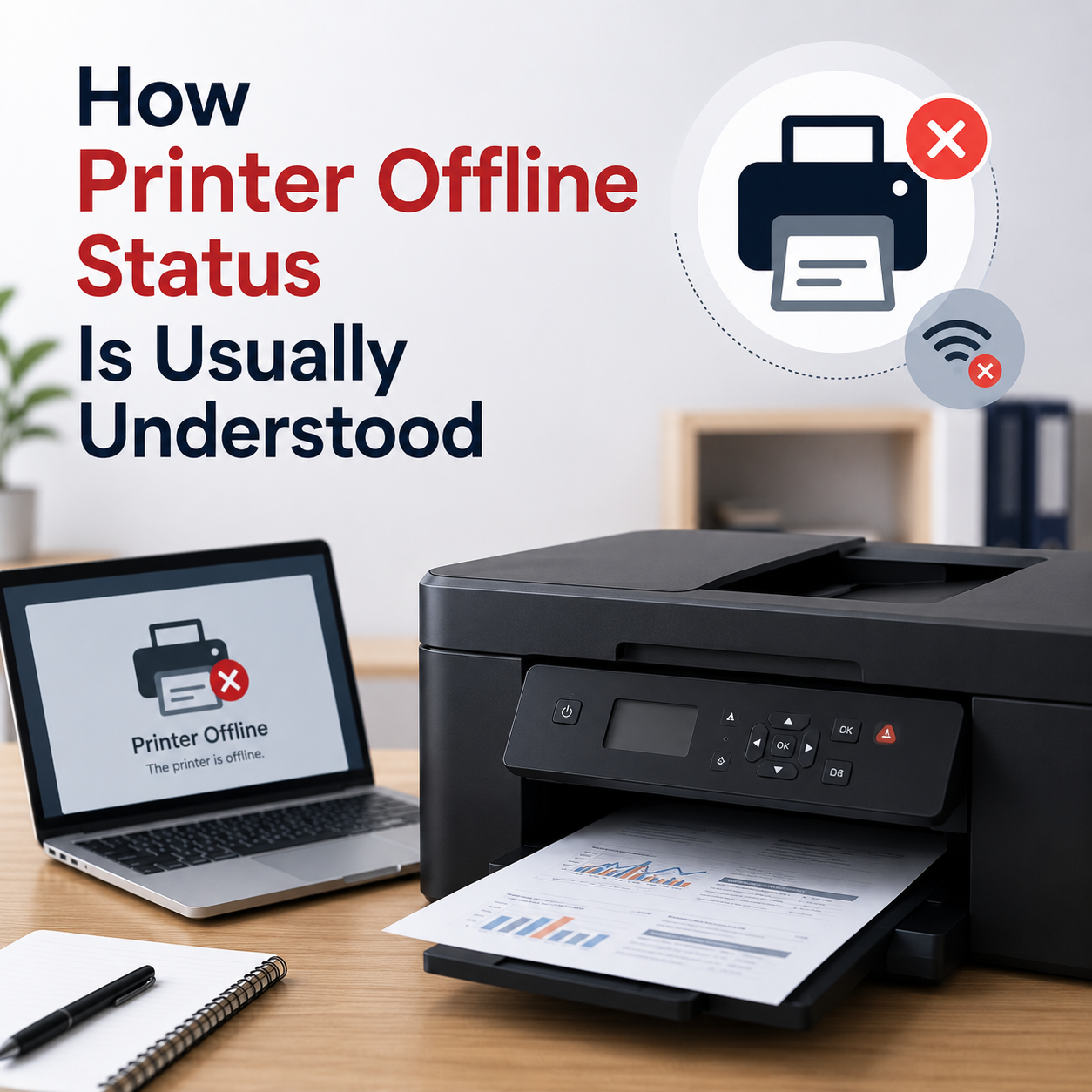
Printer offline status usually means the computer cannot communicate with the printer at that moment. This article explains how printer visibility, print queues, Wi-Fi connection, default printer settings, and driver communication are commonly understood in Windows.
Learn why a visible printer may still appear unavailable or offline.
Understand how pending documents can affect normal printing behavior.
Read how Wi-Fi, router visibility, and device connection paths matter.
Learn how drivers help Windows communicate with printer features.
Understand network names, Wi-Fi signals, router lights, connection status, and common limited connectivity messages.
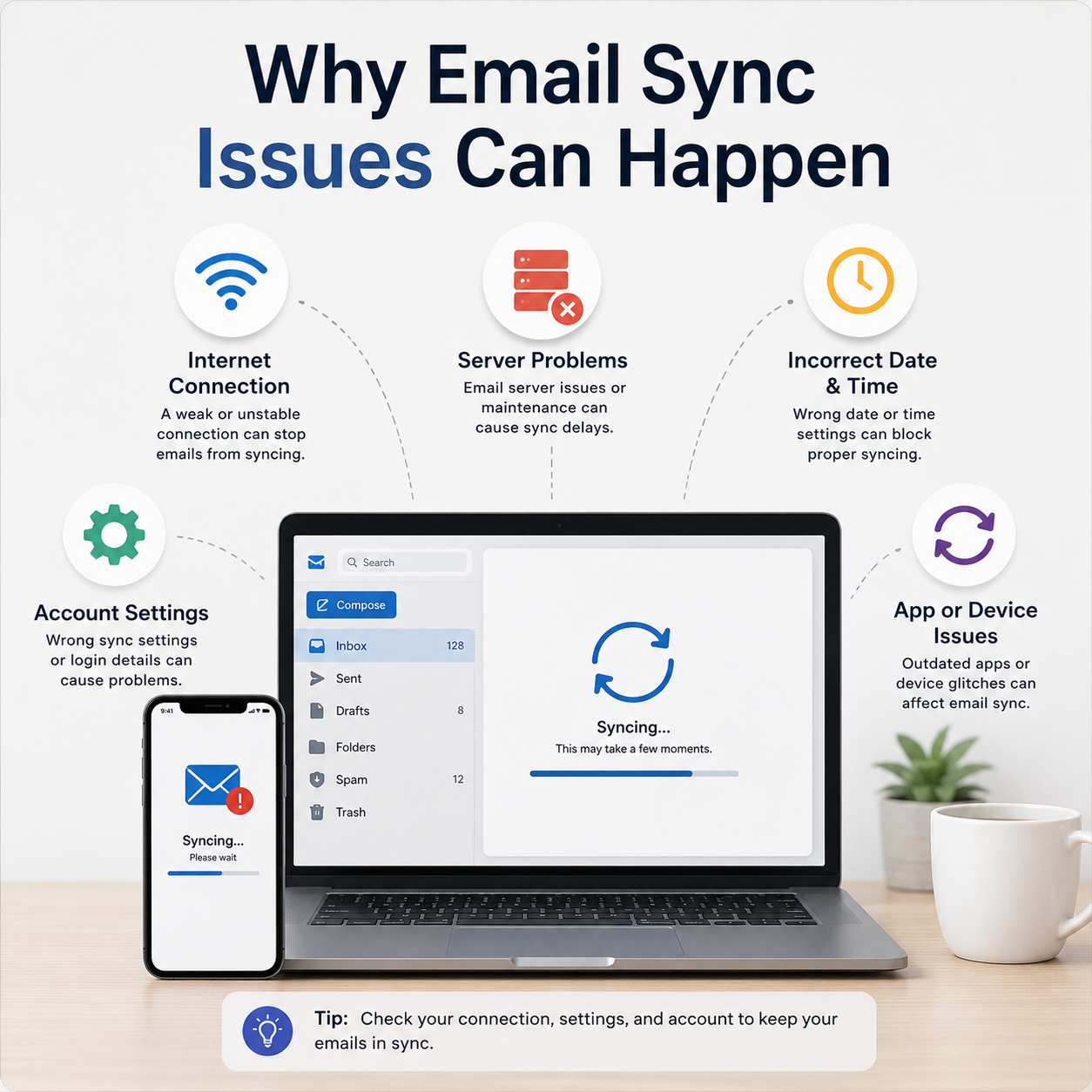
Read how inbox folders, account access, sync settings, spam folders, and mail app behavior are commonly understood.
Learn common concepts behind startup items, storage space, background activity, updates, and device driver behavior.
Understand update status, pending messages, restart prompts, update history, and common update-related terms.